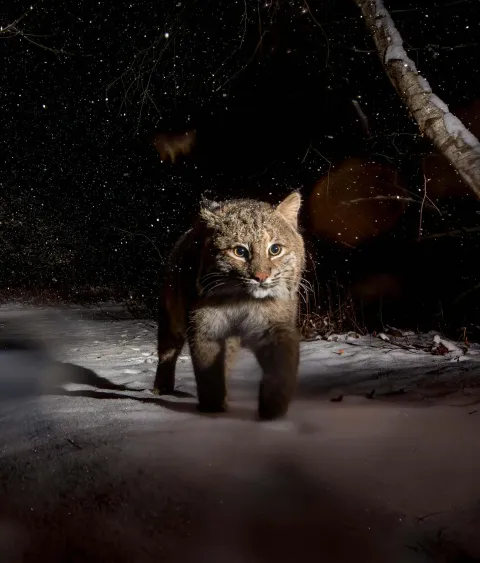
Bobcat Alley Fifty Years Ago Bobcats Vanished from New Jersey. Wildlife Scientists Reintroduced Them, but to Survive They'll Need More Room to Roam The orphaned bobcat kitten was in critical condition when Nancy Warner rescued her from a garage in September 2022. “She was in really rough shape,” remembers Warner: just four weeks old, weighing under a pound, severely malnourished, riddled with fleas and laboring to breathe with a chest infection. Read The Article
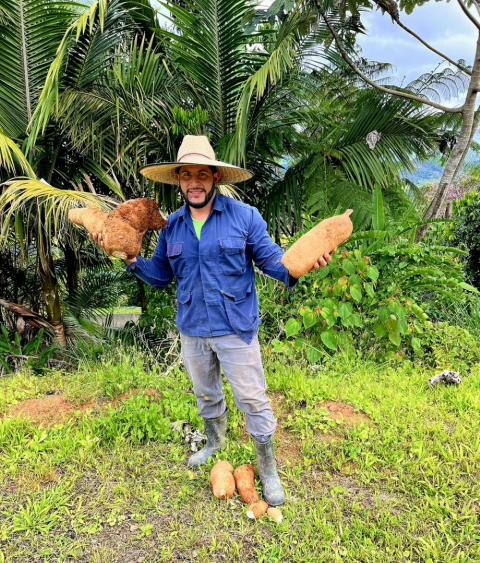
Collaborative Conservation Regenerative Agriculture: A Vital Link from Healthy Soils to Wildlife Conservation Regenerative agriculture offers a promising pathway for conserving endangered and at-risk species by restoring ecological processes that begin beneath our feet and extend upward to create thriving habitats. The foundation of this approach lies in soil ecology. Conventional farming practices often degrade soil through repeated tillage, heavy chemical use, and bare ground between crops. These actions diminish organic matter, disrupt microbial communities, and reduce the activity of earthworms, fungi, and bacteria essential to nutrient cycling and soil structure. Read The Article
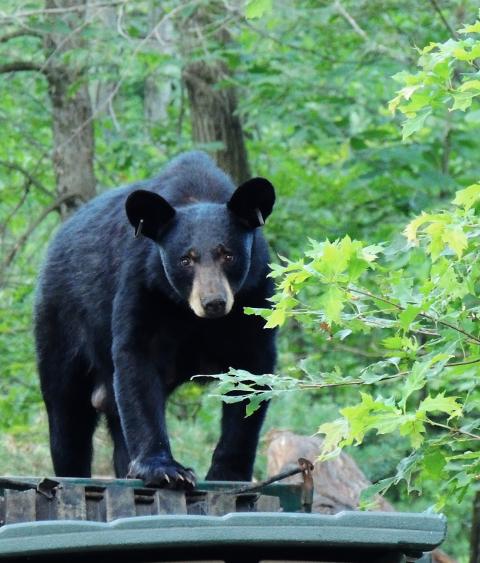
President's Message Coexistence - Proximity, Perception, and Public Lands Aldo Leopold famously stated, “The real problem of wildlife management is not how we shall handle the animals… the real problem is one of human management.” The constant and ever-changing dynamic between humans and the other organisms with which we share this planet fascinate me. Particularly, the ongoing debates and struggles surrounding our coexistence with animals like grizzly bears, wolves, feral horses, and many other species, has me pondering the basis of our often-differing views regarding just exactly where these things can live and how many of these creatures “should” exist. Read The Article
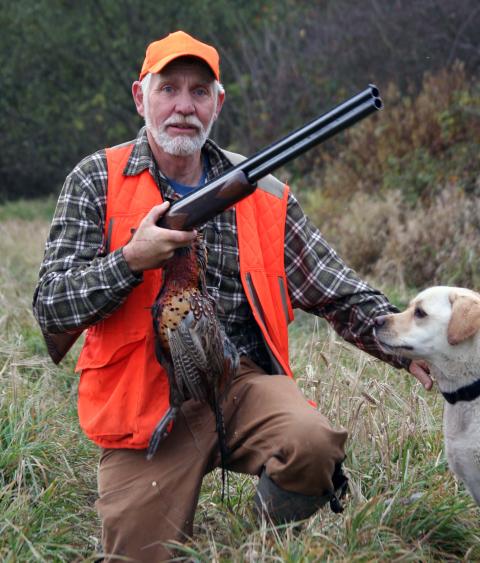
We All Quit… But It Doesn’t Have to be Today It is fair to say that most R3 programs and research have focused on the first “R,” recruitment. Yet we know from consumer research it is much easier to retain a customer than to recruit a new one. That truism – coupled with the fact that the largest, most committed cohort of hunters (i.e., Baby Boomers) have reached the period of aging out – was the impetus for a recent project of the Wildlife Management Institute, partnering with Southwick Associates and DJ Case & Associates. Read The Article
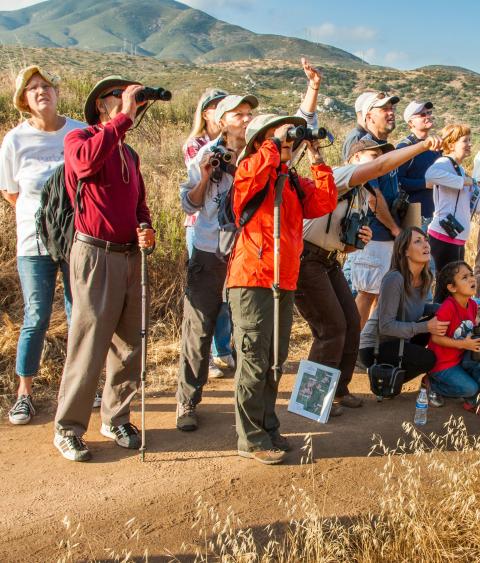
Refuge National Visitor Survey Released The U.S. Fish and Wildlife Service’s (FWS) Human Dimensions Branch recently shared the first national-level results from the National Wildlife Refuge Visitor Survey. The National Visitor Survey is a collaborative effort between the FWS, university partners (The Ohio State University, University of Washington, and Clemson University), and American Conservation Experience (ACE). Read The Article
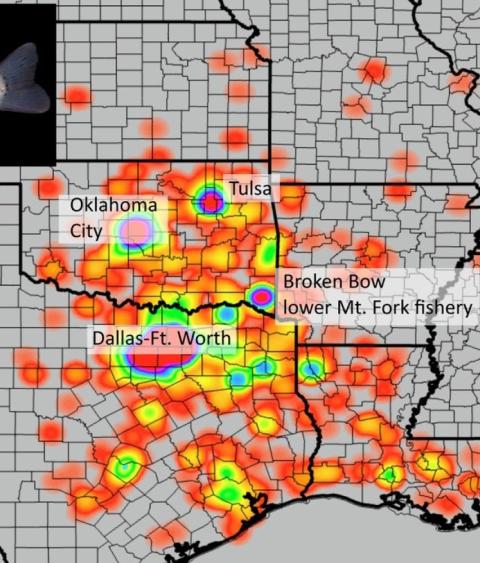
USGS Cooperative Research Unit Corner Tight Lines: Evaluating Rainbow Trout Fishing in Oklahoma USGS researchers at the Oklahoma Cooperative Fish and Wildlife Research Unit, biologists at the Oklahoma Department of Wildlife Conservation (ODWC), and researchers at Oklahoma State University are leading a study on rainbow trout (hereafter, trout) fishing at the lower Mountain Fork River (LMFR) below Broken Bow Dam in southeastern Oklahoma. This location is one of two year-round rainbow trout fisheries in the state and the only one with potential for a wild rainbow trout fishery. Read The Article