Outdoor News Bulletin
Regenerative Agriculture: A Vital Link from Healthy Soils to Wildlife Conservation
Regenerative agriculture offers a promising pathway for conserving endangered and at-risk species by restoring ecological processes that begin beneath our feet and extend upward to create thriving habitats.
The foundation of this approach lies in soil ecology. Conventional farming practices often degrade soil through repeated tillage, heavy chemical use, and bare ground between crops. These actions diminish organic matter, disrupt microbial communities, and reduce the activity of earthworms, fungi, and bacteria essential to nutrient cycling and soil structure.
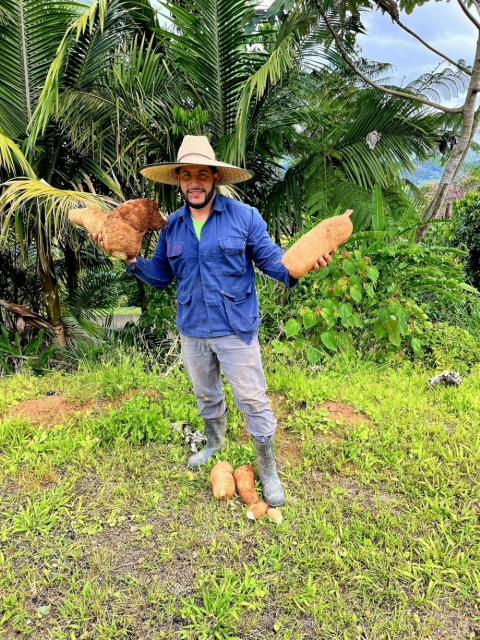
The foundation of this approach lies in soil ecology. Conventional farming practices often degrade soil through repeated tillage, heavy chemical use, and bare ground between crops. These actions diminish organic matter, disrupt microbial communities, and reduce the activity of earthworms, fungi, and bacteria essential to nutrient cycling and soil structure.
Regenerative methods can reverse this decline. By minimizing or eliminating tillage, maintaining continuous living cover through cover crops, and incorporating diverse plant species, farmers rebuild soil organic matter and foster abundant biological life underground. Healthy, biologically active soils become more resilient, better able to store water, resist erosion, and support plant growth with fewer external inputs.
Cleaning Up the Dirt
This revitalized soil ecology sets the stage for broader ecological benefits. As soil health improves, farms can sustain more diverse and productive plant communities. Cover crops, perennial pastures, and polycultures provide nectar, pollen, and habitat for pollinators and other insects. These insect populations serve as critical food sources for birds, small mammals, and amphibians while also contributing to natural pest control.
For species facing population declines, such as the monarch butterfly, these changes are meaningful. Monarchs depend on milkweed as the sole host plant for their caterpillars and on a variety of flowering plants for adult nectar. Regenerative systems that integrate milkweed and diverse blooming species directly address habitat loss—one of the primary drivers of the species’ decline.
On farms that integrate livestock, rotational grazing and managed forestry further enhances habitat quality. By moving animals frequently and allowing adequate rest periods, pastures develop varied heights and densities of vegetation. This structural diversity creates nesting sites, foraging areas, and protective cover for grassland-dependent birds, small mammals, and other wildlife that have suffered from the simplification of modern agricultural landscapes.
By reducing reliance on synthetic pesticides and fertilizers, regenerative agriculture also decreases chemical exposure risks to sensitive species and improves water quality in adjacent streams and wetlands—habitats vital to amphibians, fish, and aquatic invertebrates.
Federal Funding Boost
The U.S. Department of Agriculture (USDA) has recently strengthened support for these practices through the Regenerative Pilot Program, launched by the Natural Resources Conservation Service (NRCS) in December 2025. This initiative dedicates $700 million in funding—$400 million through the Environmental Quality Incentives Program (EQIP) and $300 million through the Conservation Stewardship Program (CSP)—to assist producers in adopting whole-farm regenerative approaches. The program emphasizes streamlined applications, outcomes-based conservation, and holistic planning that addresses soil health, water quality, and natural vitality. It is open to producers at all experience levels and aligns with broader goals of enhancing agricultural resilience.
Producers interested in participating can review frequently asked questions on the NRCS website and should contact their local NRCS Service Center for guidance on applications. A national batching deadline of January 15, 2026, applied to the first funding round for this and related programs, though continuous signup remains available.
Through these interconnected improvements, from living soils to complex, resilient above-ground ecosystems, regenerative agriculture shows that productive farming and wildlife conservation need not be in conflict. On private working lands, which comprise most habitat for many at-risk species, this approach provides a voluntary, scalable means of supporting recovery efforts while maintaining agricultural viability.
As public interest in regenerative practices continues to grow, the potential to benefit listed and at-risk species through soil-centered restoration becomes increasingly clear: healthy soils are the essential first step toward healthy habitats and thriving wildlife populations.
Click on images to view them larger