Inviting Participation to Assess Wildlife Conservation Foundational Elements During the last 3 years, the North American Wildlife and Natural Resources Conference, hosted by the Wildlife Management Institute (WMI) and its partners, has created a forum for discussion about creating a refined set of Foundational Elements of Fish and Wildlife Conservation that is current and forward-looking. A new online questionnaire seeks to gain insights from practitioners, policymakers, and academics about what policy items each person believes important to include in a future list of Foundational Elements. Read The Article
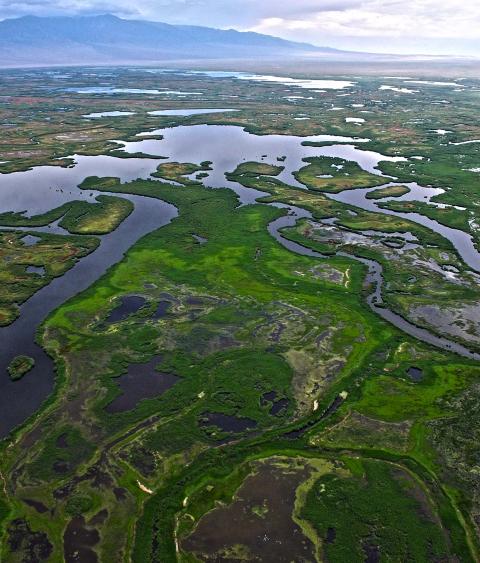
President's Message Beyond the Balance Sheet I was recently part of a conversation about the importance of conserving wetlands and the waterfowl that depend on them. The arguments presented were familiar and well-crafted. The Federal Duck Stamp program has raised over $1.3 billion and conserved more than 6 million acres of habitat since 1934. Waterfowl hunting alone generates roughly $4 billion in economic activity nationwide and supports nearly 57,000 jobs. Wetlands themselves provide billions of dollars in flood protection, water purification, and carbon storage. In fact, the Global Wetland Outlook published last year estimated that the world’s vanishing wetlands put $39 trillion in ecosystem service benefits at risk. The case was persuasive. It was built on solid numbers, and I found myself nodding along, because these numbers are real and they matter. But as the conversation continued, I noticed that in this particular meeting, every single argument being made for wetlands and waterfowl was an economic one. Read The Article
Building a Strong Foundation for Regional Fish and Wildlife Collaboration in the Northeast For decades, partners in the Northeast have been setting the stage for a transformational approach to conservation – looking past jurisdictional boundaries to identify shared goals for species and natural systems and co-develop science to inform strategic actions on the ground. The Northeast Landscape Wildlife Conservation Committee continues this legacy, connecting state agencies, federal partners, and nongovernmental organizations around priority landscapes and regionwide needs. Read The Article
USGS Cooperative Research Unit Corner USGS Scientists to Lead Decision Science Session at North American Conference USGS scientists from the Cooperative Fish and Wildlife Research Unit (CRU) program are leading a special session at the 91st North American Wildlife and Natural Resources Conference in Columbus, Ohio, on April 2, 2026. The session focuses on how decision science may be applied to common natural resource management problems faced by state fish and wildlife agencies around the country. Read The Article