Outdoor News Bulletin
Celebrating 10 Years of Nesting Success– Piping Plovers Still Call Pennsylvania Home
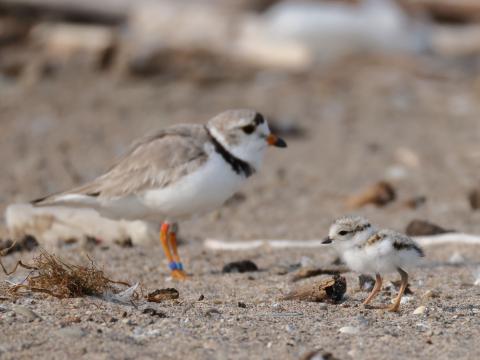
Absent from Pennsylvania for over 60 years, the federal and state endangered Great Lakes Piping Plover is making a comeback. The small shorebird has experienced 10 years of consecutive nesting success at Presque Isle State Park in Erie. Since 2017, Pennsylvania has supported 23 breeding Piping Plover pairs and fledged 57 young to date. Many of these fledglings have returned, recolonizing historic nesting beaches in other parts of the Great Lakes and contributing to federal recovery goals.
This incredible conservation milestone was recently celebrated during the “Pennsylvania Piping Plover Fest” on July 18 and 19, spotlighting the work of local, state and federal partners. Ahead of the weekend celebration, House Resolution 580, introduced by Representative Ryan Bizzarro (D-Erie), was adopted by the Pennsylvania House of Representatives to officially designate July 18, 2026, as Piping Plover Day in Pennsylvania. The resolution documents the Piping Plover recovery efforts and recognizes the members of the recovery partnership. Additionally, Erie Mayor Daria Devlin shared during the event a proclamation designating July 18, 2026 “Piping Plover Day” in the City of Erie.
Pennsylvania Piping Plover Fest featured a public premiere of "Our Threatened & Endangered Species: Piping Plovers," a documentary film, followed by an expert panel discussion. Renowned Piping Plover expert Dr. Francie Cuthbert, Distinguished Teaching Professor Emeritus at the University of Minnesota, led a keynote presentation during the reception while Erie local Jerry McWilliams was also recognized for his significant contributions to shorebird protection at Presque Isle State Park since the 1970s.
Piping Plovers in the Great Lakes
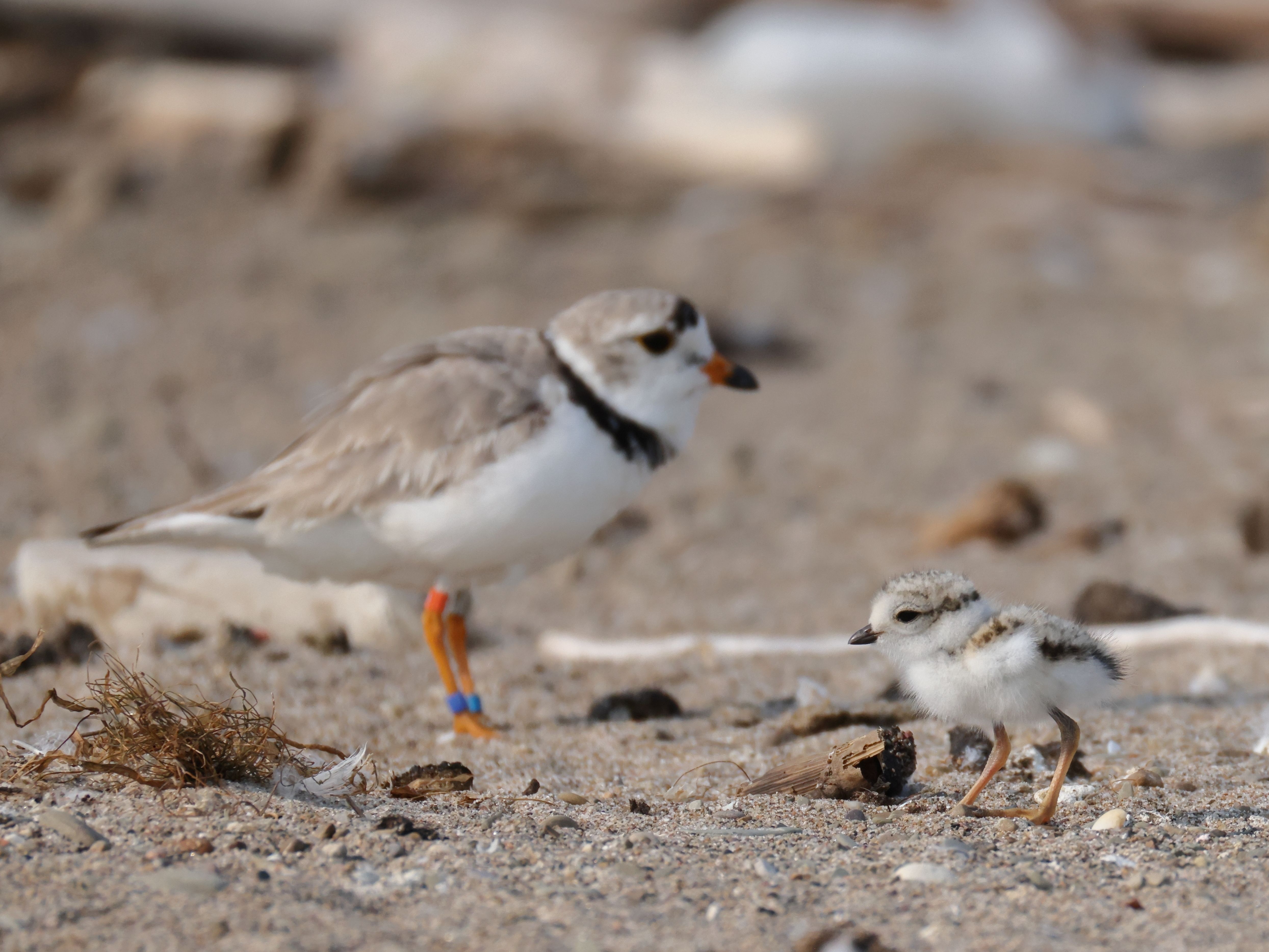
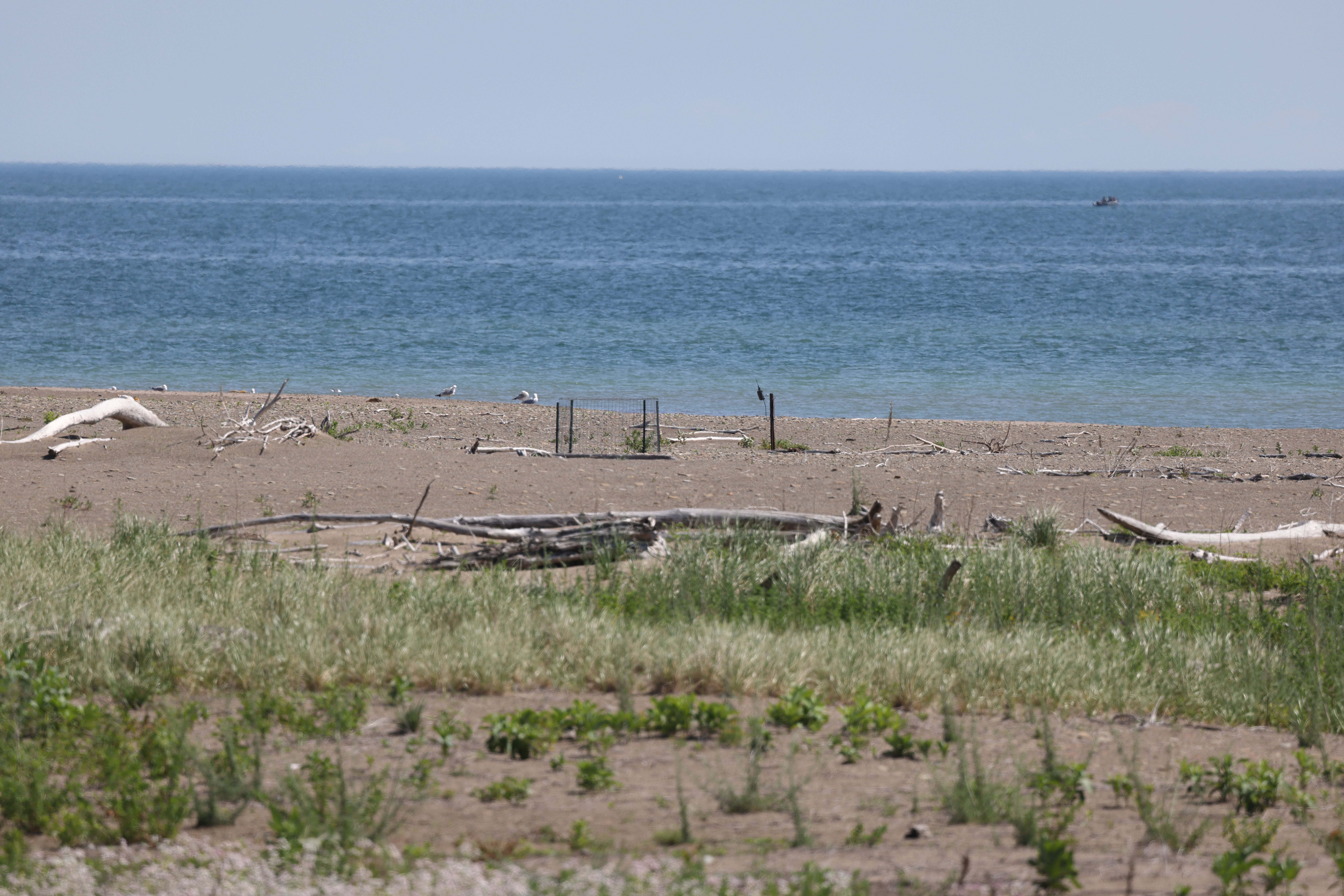
Piping plovers are small shorebirds, just a little larger than a sparrow, and are found exclusively along shorelines of larger water bodies such as Lake Erie. Like other plovers, the piping plover feeds along the shoreline in a series of short stops and starts as it pecks for aquatic insects and worms. The Presque Isle shoreline on Lake Erie is the only breeding habitat for the Great Lakes Piping Plover in Pennsylvania, where shallow scrape nests are made on wide, sand to cobble beaches with little vegetation.
Historically, several hundred Great Lakes piping plover pairs nested on shorelines throughout the Great Lakes. When the Great Lakes population was granted federal protection under the Endangered Species Act in 1986, only 17 breeding pairs remained, all restricted to the state of Michigan. By 2025, thanks to dedicated multistate and international recovery efforts, the Great Lakes population grew to 88 breeding pairs across five U.S. states and Ontario.
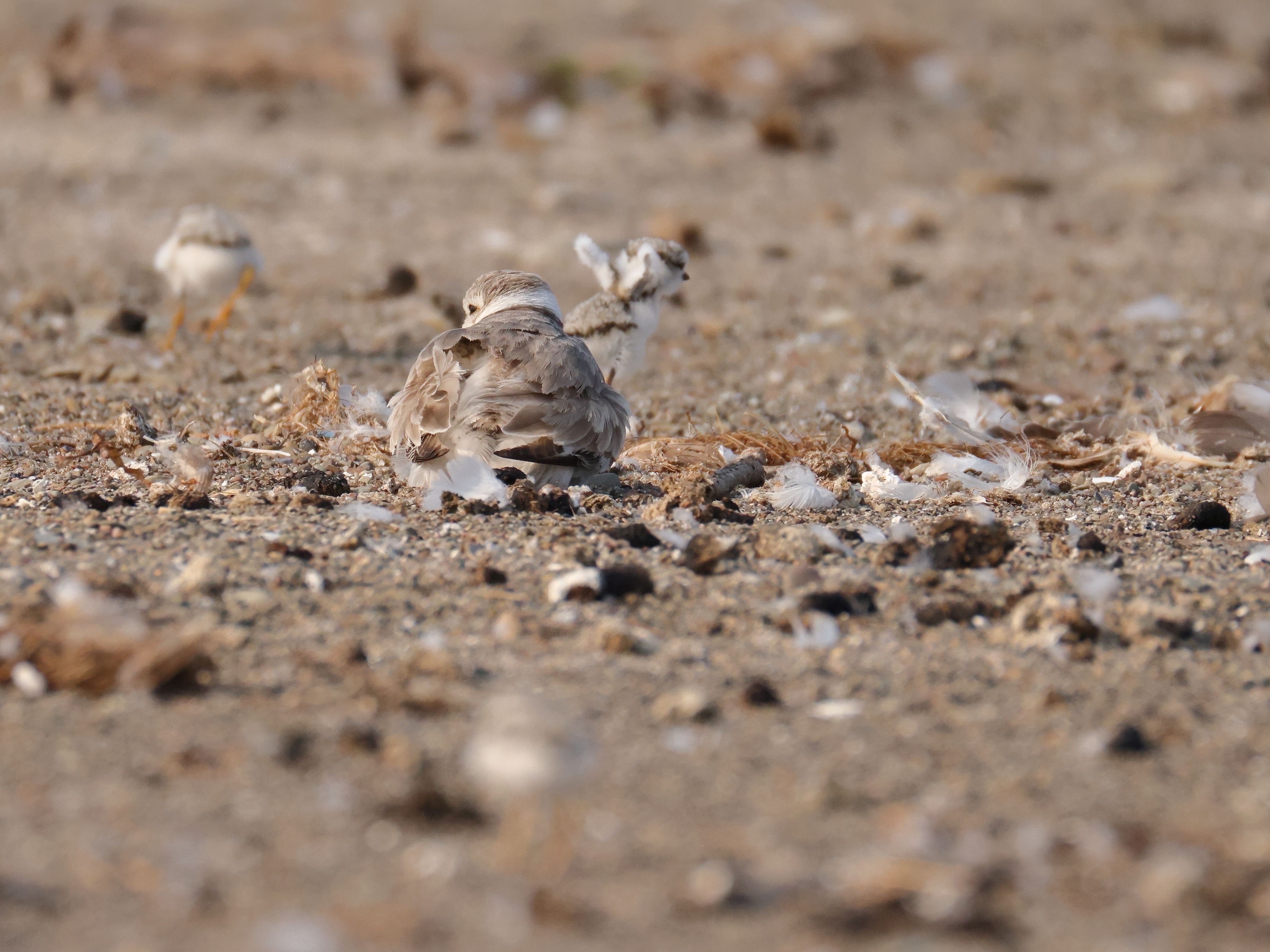
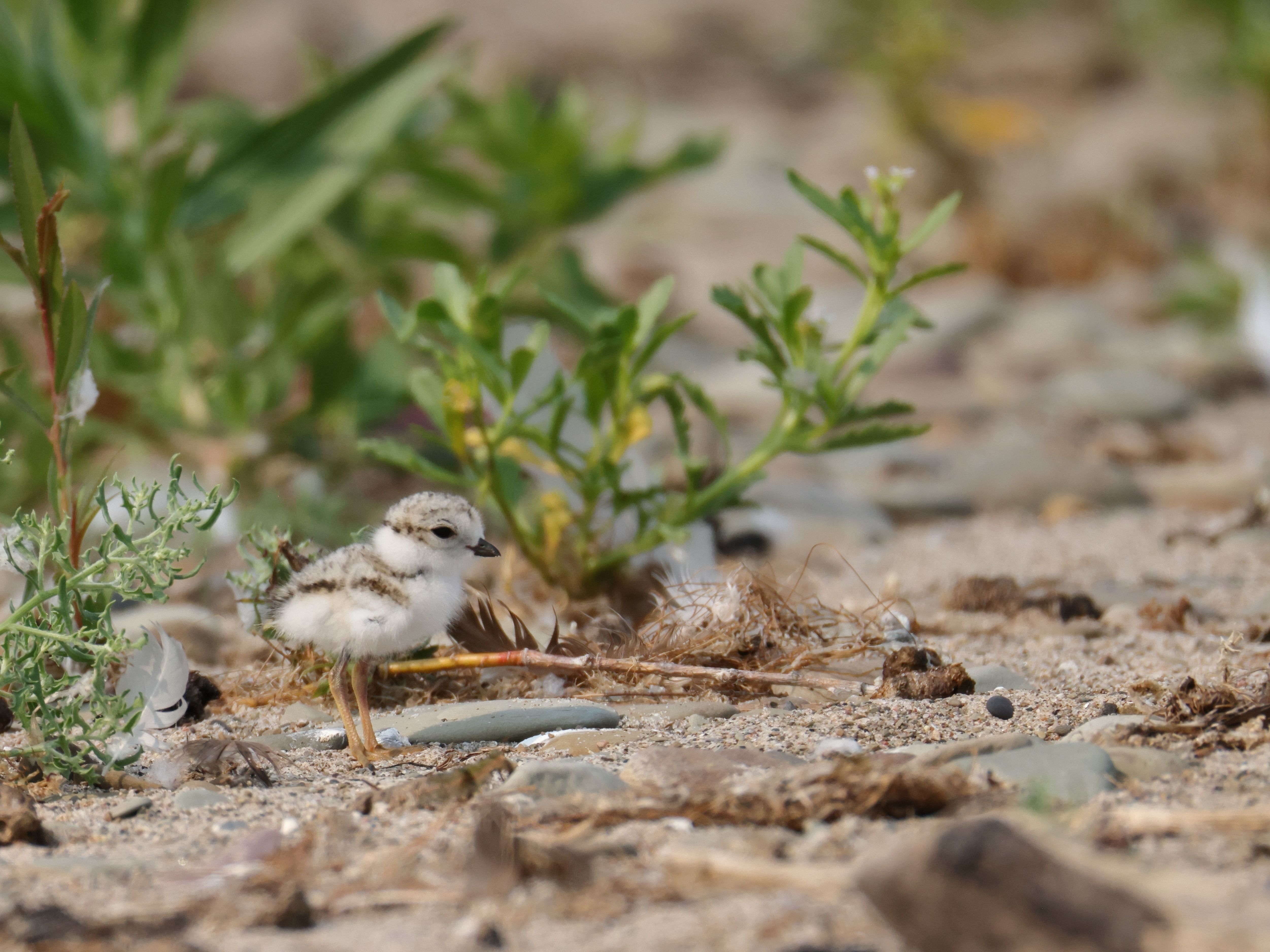
Piping plovers have always been rare in Pennsylvania, both as breeding birds and passage migrants. They regularly nested on Gull Point at Presque Isle State Park, in Erie County, but abandoned this area by the mid-1950s due to increased recreational activity that impacted exposed eggs and the tiny, newly hatched birds that are just the size of two cotton balls.
Partnerships Are Key to Piping Plover Recovery
After listing in 1986, the U.S. Fish and Wildlife Service (USFWS) published the Great Lakes Piping Plover recovery plan in 2003, and shortly after, three male Piping Plovers were observed at Presque Isle State Park in 2005 but did not stay. In 2006, the Pennsylvania Game Commission (PGC) initiated a recovery assessment and formed the Piping Plover and Common Tern Recovery Partnership which included the USFWS, Army Corps of Engineers, the United States Department of Agriculture (USDA), the Department of Conservation and Natural Resources (DCNR), Erie Bird Observatory, and Western Pennsylvania Conservancy (WPC).
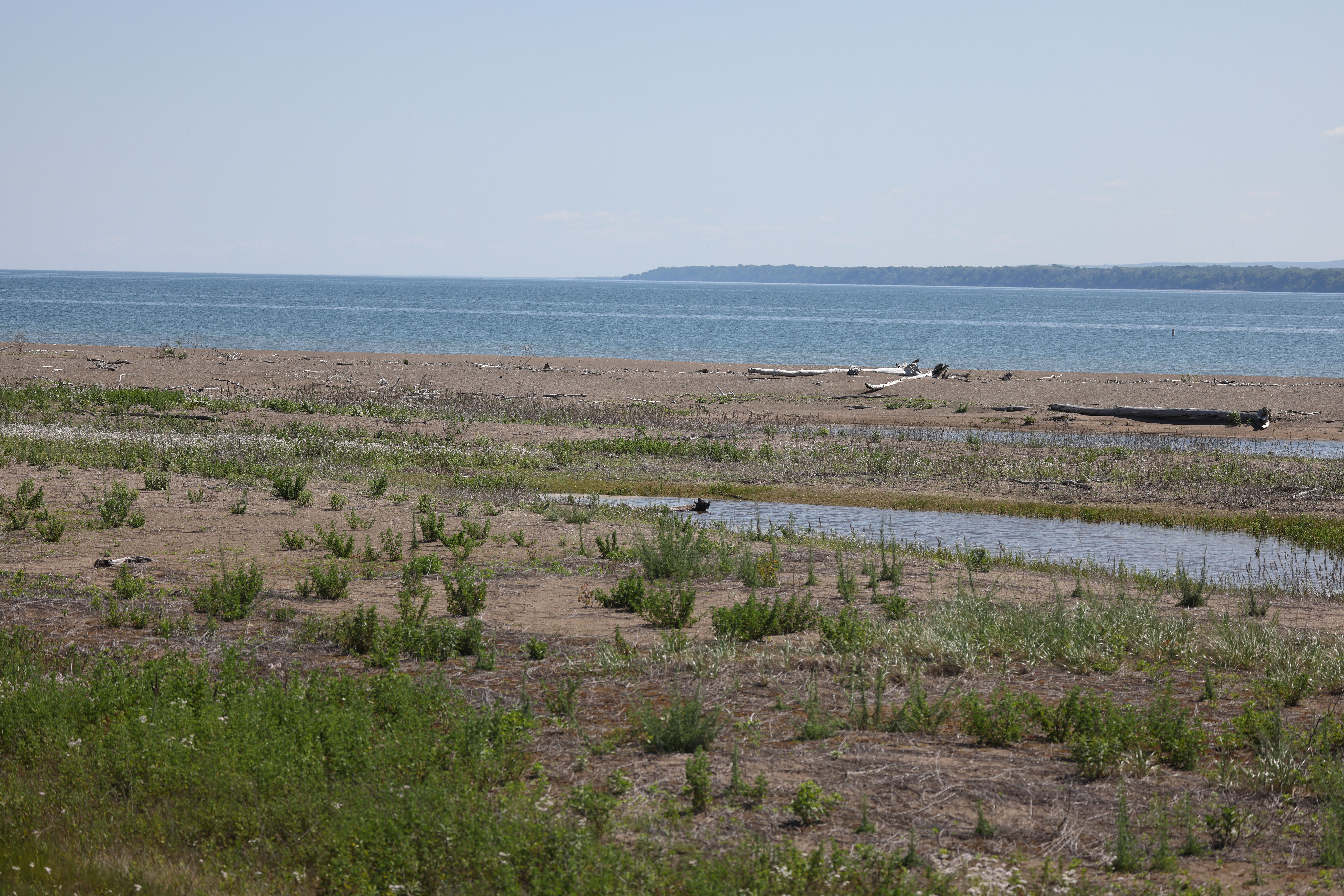
In 2011 and 2012, DCNR restored historic nesting habitat in the Gull Point Natural Area through Great Lakes Restoration Initiative federal funding. Over the years, piping plovers briefly visited the restored habitat during spring and fall, renewing hope for the return of this species to Pennsylvania. Indeed, two pairs successfully nested in the Gull Point Natural Area in 2017 and have nested each year since.
USFWS’s Pennsylvania Field Office remains focused on key recovery strategies to ensure Pennsylvania’s Piping Plovers contribute to the wider Great Lakes population. Those efforts center on boosting adult survival and nest success so birds can help fill important genetic and geographic gaps in the species’ recovery.
From a habitat standpoint, DCNR has worked to protect and restore the dynamic shoreline and fragile habitat at Gull Point. Soon after Presque Isle became a state park, the Commonwealth recognized the ecological importance of the area by designating Gull Point as a bird sanctuary in 1927 and reaffirming that protection in 1957. These efforts support species like the Piping Plover and the Common Tern, also state endangered, and are strengthened by the presence of native plant communities that form the backbone of healthy coastal ecosystems.
The Great Lakes Piping Plovers story map documents and highlights this conservation success as well as other recovery efforts in the Great Lakes region. Together, partners are continuing habitat restoration activities, monitoring bird populations, enacting protective measures when needed, and engaging the public to ensure this conservation milestone continues to grow.
Click on images to view them larger