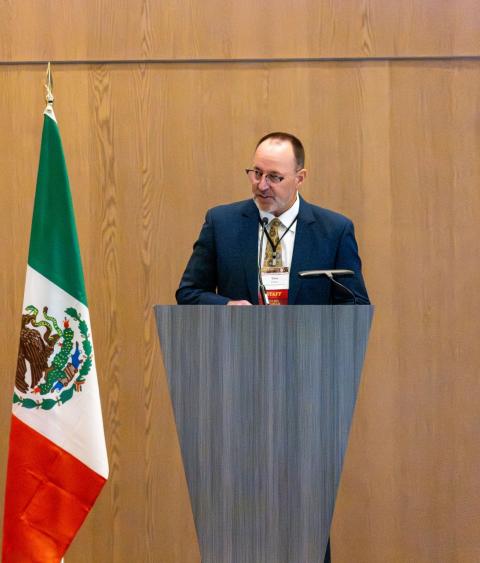
President's Message When the Familiar Stops Working I recently stood in front of a room full of conservation professionals at the 91st North American Wildlife and Natural Resources Conference and asked a simple question: why are so many of us, right now, having the same conversation about a different conservation future? Not just at the North American, but in breakout sessions and boardrooms and hallway conversations across the country. Groups like the Property Environment Research Center (PERC), the Boone and Crockett Club, The Wildlife Society, universities, think tanks, and new efforts like Ground Shift and Nature is Nonpartisan along with many others are all simultaneously circling the same question. The conservation space is crowded with people contemplating conservation’s future as they try to plot the course for conservation’s next chapter, era, or paradigm. That kind of convergence does not happen by accident. It happens because conditions demand it. Read The Article
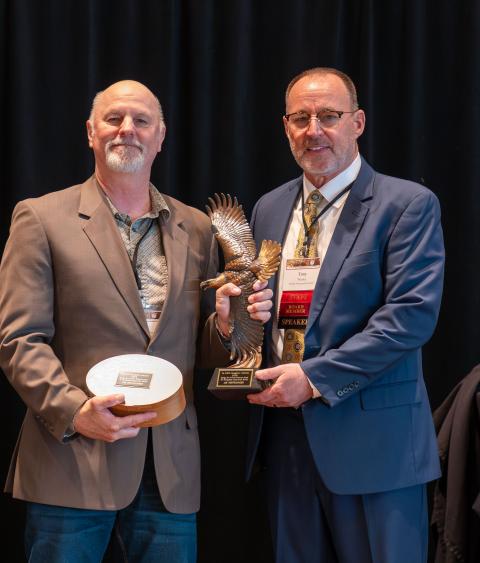
North American Conference News Jim Heffelfinger Receives WMI's Highest Honor, The George Bird Grinnell Award The Wildlife Management Institute (WMI) presented its most prestigious recognition — the George Bird Grinnell Memorial Award for Distinguished Service to Natural Resource Conservation — to Jim Heffelfinger at the annual Conservation Administrators Luncheon held in conjunction with the 91st North American Wildlife and Natural Resources Conference in Columbus, Ohio. This award is the highest honor that an individual can receive in the wildlife management profession. Read The Article
Contribute to the Assessment of Wildlife Conservation Foundational Elements The Wildlife Management Institute (WMI) and its partners have created a forum to create a refined set of Foundational Elements of Fish and Wildlife Conservation that is current and forward-looking. The questionnaire is seeking insights from practitioners, policymakers, and academics about what policy items each person believes important to include in a future list of Foundational Elements. To date, we have received over 600 responses. Please consider adding your thoughts to this effort. Read The Article
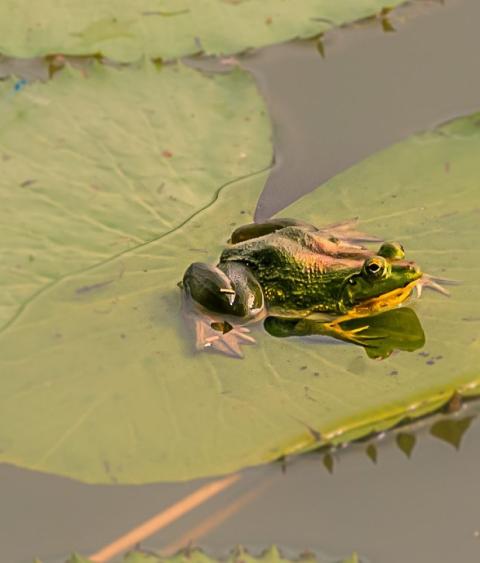
Collaborative Conservation Connecting Lily Pads: A Practical Roadmap for Collaborative Conservation With over three decades of experience administering the Endangered Species Act and other federal environmental laws, I offer this reflection not as an attorney but as a practitioner who has observed firsthand what proves effective in the field. In the last several years, I have seen an increase in conflict and polarization between keeping working lands working, sustaining a healthy economy, and conserving habitats for fish and wildlife. Mostly, this conflict is not beneficial to the species we want to conserve, and most of the time results in wasting significant amounts of human and financial resources that otherwise could have been used to benefit the environment. Read The Article
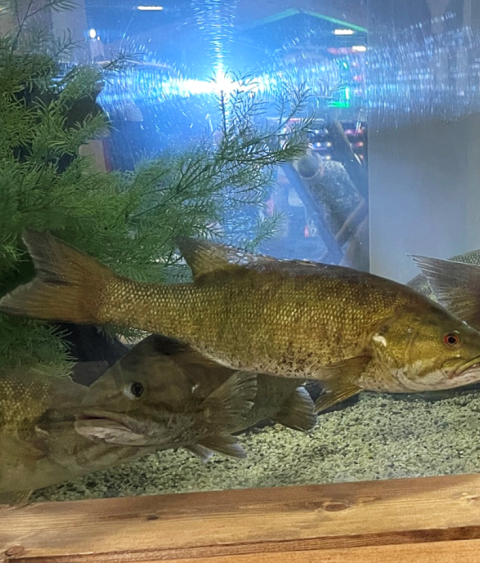
USGS Cooperative Research Unit Corner Partners United: Protecting Tennessee’s Native Bass Heritage Angling for black basses in Tennessee contributes a significant portion to the $1.7 billion per year impact to the State’s economy generated from fisheries. The Tennessee Wildlife Resources Agency (TWRA), Tennessee Tech University (TTU), the Tennessee Cooperative Fishery Research Unit (TNCFRU), and bass anglers are working together to address an emerging conservation challenge: the spread of Alabama bass (Micropterus henshalli) into Tennessee waters. Together, these partners are working to understand and manage a threat unlike most invasive species where concerns often focus on competition or predation. The Alabama bass invasion in Tennessee creates concerns for hybridization with native species and therefore a potential loss of pure native population genetics. It also creates challenges for management and enforcement of regulations because anglers, managers, and officers cannot always look at a fish and tell exactly what it is, thereby requiring genetics analyses. Read The Article